Meow Cat: A Designer’s Review for Real Projects
As an embroidery designer who has spent years digitizing patterns and testing them on everything from silk scarves to heavy denim, I approach every new machine embroidery design with a critical eye. It is not enough for a file to look cute on a screen; it must hold up under the needle. Recently, I evaluated Meow Cat, a charming addition to the Cats category, to determine if it truly delivers on its promise of adding a lovely accent to any fabric. This review is written for fellow designers, Etsy sellers, and craft entrepreneurs who need practical insight before committing to a project.
First Impressions and Visual Personality
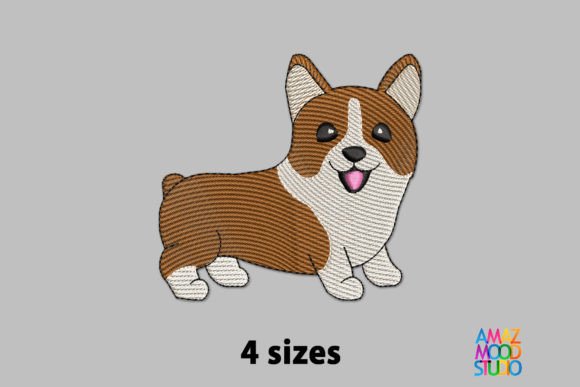
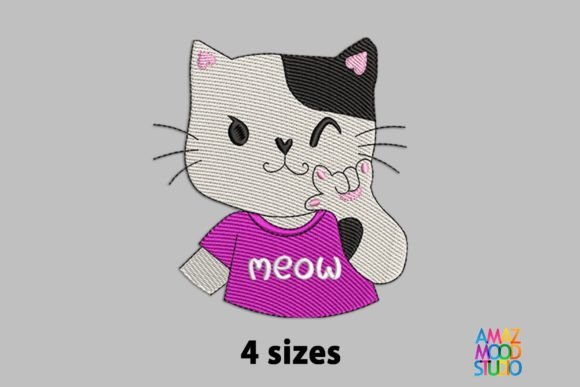
The first thing that strikes you about Meow Cat is its approachable simplicity. In the world of digital embroidery files, complexity often leads to stitching nightmares, especially on textured fabrics. This design avoids that trap. The layout feels balanced, with a visual personality that leans toward playful and warm rather than overly intricate or stiff. For a handmade product, this mood is essential. It invites touch and creates an immediate emotional connection, which is exactly what you want when creating personalized gifts or boutique merchandise.
The shape and detail level suggest a design that relies on clean lines rather than excessive density. This is crucial for maintaining stitching clarity. When I visualize this on a tote bag design or a sweatshirt embroidery project, I see a graphic that reads well from a distance but still holds charm up close. It does not try to be a photorealistic portrait, which is a smart choice for general commercial embroidery use where speed and reliability matter.
Real-World Application: The Custom Tote Test
To truly understand how Meow Cat performs, I mentally placed it into a real-life scenario: preparing a custom embroidered tote bag for a local farmer’s market vendor. The client wanted something friendly and recognizable. Here, the design shines. On canvas or cotton twill, the stitch definition remains sharp. Because the design likely utilizes a mix of satin stitch for outlines and fill stitch for broader areas, it anchors well into the weave of the fabric without puckering excessively, provided you use the correct stabilizer.
Beyond tote bags, this embroidery file is versatile. Imagine it on a baby onesie. The soft, rounded forms of the cat are safe and appealing for baby embroidery, avoiding sharp points that might irritate sensitive skin. For holiday embroidery, such as a Christmas stocking or a Halloween pillow cover, the neutral cuteness of the cat allows it to fit various themes with just a change in thread colors. An orange thread makes it autumnal; white and black make it classic.
Apparel and Accessories Considerations
When moving to custom apparel, such as t-shirts or caps, the context changes. On a curved surface like a cap, you must be mindful of the hoop size and the design’s width. If Meow Cat is too wide, it may distort on the front panel. However, for a left-chest placement on a polo or a pocket on a denim jacket, it serves as an excellent branded accent. For Etsy sellers, this versatility means you can offer the same design asset across multiple product lines, increasing your perceived value as a shop owner.
For those creating embroidered patches, this design is ideal. Patches require dense stitching to prevent fraying, and a simple cat silhouette allows for high stitch density without becoming a solid block of thread. It maintains its identity even when scaled down, which is vital for small shop products where space is limited.
Technical Challenges and Fabric Constraints
No design is universal, and honest evaluation requires discussing where caution is needed. While Meow Cat is robust, you must consider fabric texture. On highly textured materials like fleece or thick wool, fine details can get lost. If the design includes tiny facial features, they may merge into the background. In these cases, I recommend using a contrasting thread color to ensure visibility.
Stretchy fabrics present another challenge. If you are applying this to a yoga shirt or a knit dress, the movement of the fabric can cause gaps in the stitching if the density is too low. Always test the design on scrap fabric first. Check whether the running stitch elements hold firm or if they pull apart under tension. For dark fabrics, ensure your thread colors have enough contrast. A pastel cat on navy blue might look washed out unless you use a bright white or vibrant hue.
Additionally, be cautious with layered garments. If you are embroidering through a towel or a thick apron, the bulk can cause needle breaks or skipped stitches if the design is too dense in one area. Review the stitch density in your software before loading the file. If the description mentions multiple sizes, choose the one that best fits your hoop size to avoid unnecessary resizing, which can distort the aspect ratio.
Enhancing Brand Value and Customer Trust
From a business perspective, the quality of your embroidery directly impacts customer trust. A clean, professional-looking Meow Cat signals attention to detail. For creative entrepreneurs, this translates to higher perceived value. When buyers see a crisp, well-executed design on a printable mockup or in person, they are more likely to engage with your brand. It suggests that you care about the finished product, not just the sale.
Consistency is key. If you use this design across your social media and physical products, it helps build brand recognition. For digital product sellers, offering this as part of a bundle with other Cats-themed designs can increase average order value. However, always confirm licensing before selling finished items or digital products. The description notes it comes with multiple options, but you must verify if commercial use is permitted for your specific business model.
Practical Notes for the Embroidery Designer
Before you start stitching, take these steps to ensure success:
- Test on Scrap Fabric: Never run a new design on your final garment. Use a similar material to check for puckering or thread breaks.
- Check Thread Contrast: View the design in black and white on your screen to ensure the shapes are distinct without color reliance.
- Verify Hoop Size: Ensure the design fits comfortably within your hoop, leaving room for stabilization.
- Use Proper Stabilizer: Match the stabilizer to the fabric weight. Cut-away for knits, tear-away for wovens.
- Inspect Small Details: Zoom in on the digital file to check for stray stitches or overly complex corners that might cause jams.
- Confirm License Terms: Read the included documentation to understand rights for resale and distribution.
In conclusion, Meow Cat is a solid choice for designers looking for a reliable, versatile asset. It balances aesthetic appeal with technical practicality, making it suitable for a wide range of embroidery projects. Whether you are creating a heartfelt personalized gift or scaling up your craft business, this design offers the flexibility and charm needed to succeed in today’s handmade market. Just remember to respect the material constraints and always prioritize a good test stitch.