Tiger Cub Embroidery: A Designer’s Review for Handmade Projects
As an embroidery designer who spends hours digitizing and testing files, I approach every new download with a critical eye. We all know the struggle of finding a machine embroidery design that looks cute on the screen but translates poorly to fabric. Recently, I explored the Tiger Cub design available on Creative Fabrica, specifically looking at its potential for real-world commercial use. This piece falls under the Baby Animals category, a niche that consistently performs well for handmade sellers. Here is my honest evaluation of how this design holds up for professional projects.
First Impressions and Visual Appeal
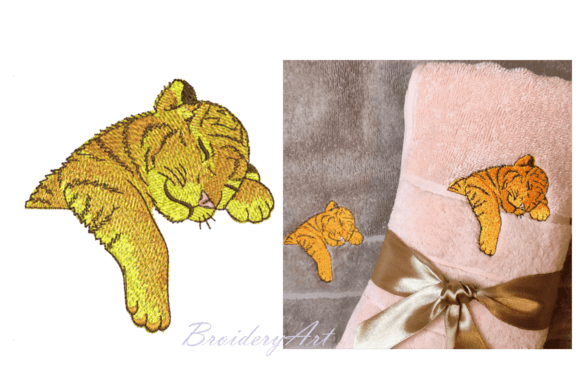
The initial visual impact of Tiger Cub is undeniably charming. It captures that soft, approachable aesthetic that parents and gift-buyers love. For those of us in the business of creating handmade products, visual appeal is the first hurdle. This design does not rely on overly complex shading that can get lost in thread; instead, it uses clean lines and balanced proportions to create a recognizable and adorable character. The mood is playful yet gentle, making it versatile enough for nursery decor or casual apparel.
What stands out immediately is the potential for customization. While the base design is strong, its simplicity allows for creative interpretation. You are not locked into a single look. This flexibility is crucial when you are building a brand identity. Whether you prefer bold, high-contrast thread colors or subtle, pastel palettes, the design structure supports various artistic directions without losing its core charm.
Practical Applications for Commercial Use
When I evaluate a digital embroidery file, I always ask: "Where does this live?" For Tiger Cub, the applications are broad. The description suggests decorating towels and blankets, which is a solid starting point, but I see much more potential. Here is how I would integrate this design into a product line:
- Baby Items: This is the most obvious fit. Think burp cloths, receiving blankets, and bibs. The cute factor drives impulse buys in this category.
- Custom Apparel: A small chest placement on a baby onesie or a larger back print on a toddler’s sweatshirt works beautifully. It adds value to basic garments.
- Tote Bag Design: Canvas totes are durable and provide a stable surface for embroidery. This design could anchor a whole "wildlife" collection.
- Embroidered Patch: If you have the right stabilizer and technique, this could be stitched out as a standalone patch for hats or backpacks.
- Kitchen Towels: As mentioned in the product details, this is a great way to elevate simple linens into giftable items.
For Etsy sellers and craft fair vendors, having a cohesive theme helps. If you already sell other Baby Animals themed items, Tiger Cub fits seamlessly into that inventory. It helps maintain brand consistency while expanding your product range.
Technical Considerations and Stitching Performance
A pretty picture means nothing if the stitching fails. Since the specific technical data like stitch count or exact file formats are not detailed in the brief description, I must advise you to check the product page on Creative Fabrica for these specifics before purchasing. However, based on the visual style, we can anticipate certain technical needs.
Designs with animal features often rely on a mix of satin stitch for outlines and fill stitch for body areas. You need to pay attention to stitch density. If the fill is too dense, it can cause puckering, especially on stretchy fabrics like jersey knits used for baby clothes. Conversely, if it is too light, the fabric might show through. Always run a test stitch on scrap fabric similar to your final material.
Another critical factor is the hoop size. Ensure the design fits comfortably within your machine’s hoop without needing excessive re-hooping, which can lead to alignment issues. For curved surfaces like caps, you will need to consider how the design distorts. A flat tiger cub face might look stretched if not properly compensated for in the digitizing or during the hooping process.
Stabilizer choice is non-negotiable. For towels, a cut-away stabilizer is usually best to prevent distortion after washing. For woven fabrics like aprons or tote bags, a tear-away might suffice, but test it first. The goal is a crisp, professional finish that survives frequent laundering.
Enhancing Product Value and Buyer Trust
In the world of commercial embroidery, perceived value is everything. A well-executed Tiger Cub embroidery can transform a generic item into a personalized gift that commands a higher price point. Customers are willing to pay more for items that feel unique and carefully crafted.
Photography plays a huge role here. When you create your printable mockup or take photos of your finished product, ensure the lighting highlights the texture of the stitches. Show the design on different backgrounds—light fabric, dark fabric, and textured materials. This helps buyers visualize the product in their own homes. High-quality images build trust and reduce hesitation at checkout.
Moreover, offering this design as part of a set can increase average order value. Imagine pairing the tiger cub with other jungle animals. This creates a narrative and encourages customers to buy multiple items for a themed nursery or gift set.
Final Verdict and Best Practices
Is Tiger Cub worth adding to your library? For designers focusing on children’s markets, cute home decor, or personalized gifts, the answer is likely yes. It offers a balance of simplicity and charm that is easy to work with and appealing to end consumers. However, success depends on your execution.
Before you list this on your shop, follow these steps:
- Verify File Details: Check the Creative Fabrica product page for included formats (PES, DST, JEF, etc.) to ensure compatibility with your machine.
- Check Licensing: Confirm the license terms for commercial use. Most Creative Fabrica designs allow for physical finished products, but always double-check.
- Test Thoroughly: Stitch out the design on your intended fabric. Check for thread breaks, jumps, or density issues.
- Optimize Thread Colors: Don’t just use the default color map. Experiment with contrasting threads to make the eyes pop or use monochromatic schemes for a subtle look.
- Inspect Small Details: Look closely at the whiskers and facial features. If they are too fine, they might get lost. Adjust your tension or thread weight if necessary.
By treating Tiger Cub as a component of a larger business strategy rather than just a standalone image, you can maximize its potential. It is a solid addition to any design assets folder for those specializing in Embroidery for kids and families. With careful attention to technical details and creative presentation, this design can become a staple in your best-selling items.