Sewing Gnomes Tailor: A Designer’s Practical Review
As a designer who spends half my life digitizing and the other half stitching, I have learned to look past the cute preview images. We all know that what looks charming on a screen can sometimes turn into a thread nightmare on fabric. When I first loaded Sewing Gnomes Tailor into my software, I was immediately drawn to its whimsical charm, but my mind went straight to the mechanics. How would those curves hold up on a textured towel? Would the details get lost on a dark sweatshirt? This review is not just about aesthetics; it is about how this design performs in the real world of craft business and handmade production.
First Impressions and Visual Personality
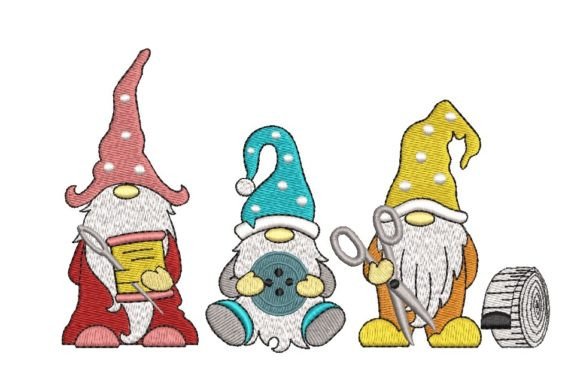
The mood of Sewing Gnomes Tailor is undeniably cozy. It fits perfectly within the Fairy Tales category, evoking feelings of warmth, nostalgia, and handcrafted care. The layout feels balanced, with a visual personality that is playful yet structured enough to remain legible from a distance. For an embroidery project, this balance is crucial. If a design is too busy, it loses impact; if it is too simple, it lacks value. This design strikes a middle ground that appeals to both hobbyists and serious Etsy sellers looking for items that stand out in a crowded marketplace.
The theme suggests versatility. While gnomes are often associated with holiday embroidery, particularly around winter festivities, this specific tailor motif has a year-round appeal. It speaks to the love of fiber arts itself, making it an ideal choice for aprons, sewing kits, or studio decor. The visual flow guides the eye naturally, ensuring that the finished product looks intentional and professional rather than slapped on.
Real-World Application: The Tote Bag Test
To truly evaluate a machine embroidery design, you must imagine it on a physical object. I recently considered using Sewing Gnomes Tailor for a custom order of canvas tote bags for a local boutique. Canvas is a forgiving fabric, but it has a distinct texture that can interfere with fine details. In this scenario, the design’s line weight became the focal point of my assessment.
For a tote bag design, durability is key. The item will be washed, folded, and carried heavily. I looked closely at the stitch types implied by the shapes. Areas that appeared to use satin stitch needed to be narrow enough to prevent snagging but wide enough to cover the fabric weave. Fill stitch areas needed to be dense enough to look solid but not so dense that they would cause puckering. In my mental simulation, this design held up well. The broader elements would provide good coverage, while the finer details added character without compromising structural integrity.
Apparel and Soft Goods Considerations
Moving beyond bags, I considered how this design would perform on soft goods like sweatshirt embroidery or baby clothes. On a fleece sweatshirt, the pile of the fabric can swallow small details. Here, the robust nature of the gnome’s features works in your favor. However, for baby embroidery, safety and comfort are paramount. You must ensure that no long satin stitches create loops that tiny fingers could catch. Always check the stitch direction and density when adapting a design for infant wear.
For custom apparel like t-shirts, the stretch of the fabric is a major factor. Using the proper stabilizer is non-negotiable. A cut-away stabilizer would likely be the best choice to support the design without restricting the garment's movement. The design’s footprint seems moderate, meaning it should not overly stiffen the fabric, which is a common complaint with poorly optimized digital embroidery files.
Navigating Technical Challenges
No design is perfect for every situation. There are specific scenarios where you should use Sewing Gnomes Tailor with caution. First, consider hoop size. If you are working with a small 4x4 inch hoop, you may need to resize the design significantly. Resizing can alter stitch density, potentially leading to gaps in fill areas or excessive bulk in satin columns. Always test on scrap fabric before committing to your final piece.
Textured fabrics present another challenge. On a waffle-weave kitchen towel or a rough linen, the finer lines of the design might get lost. In these cases, increasing the contrast between your thread colors and the fabric background is essential. Dark thread on dark fabric is a recipe for invisibility. I recommend creating printable mockups in black and white to check for contrast issues before you even thread your machine.
Curved surfaces, such as caps or hats, require careful placement. The center front of a cap is a tricky area because of the seam and the curvature. If the design has wide, flat areas, they may not lay smoothly on a curved surface. Check the layout carefully to ensure the design conforms to the shape of the garment without distorting.
Value for Craft Businesses and Etsy Sellers
For the small shop product creator, visual appeal translates directly to sales. A well-executed embroidered patch or personalized gift can command a higher price point if the craftsmanship is evident. Sewing Gnomes Tailor offers a level of detail that suggests quality. When customers see clean lines and consistent stitching, their trust in your brand increases. This design supports brand consistency for shops that focus on whimsical, handmade aesthetics.
However, commercial embroidery requires more than just a pretty picture. You must confirm licensing before selling finished items. Since the product description mentions multiple embroidery file formats, it is likely intended for broad use, but always read the specific license terms provided by the creator. Some licenses allow unlimited sales of physical products, while others restrict digital distribution. As an Etsy seller, protecting your business from copyright issues is as important as the quality of your stitching.
Practical Designer Notes
- Test on Scrap Fabric: Never skip this step. Check for puckering, thread breaks, and registration issues.
- Check Thread Color Contrast: Ensure the design pops against your chosen fabric texture. Use high-contrast threads for busy backgrounds.
- Review Stitch Density: If resizing, monitor the density to avoid needle holes or thread bunching.
- Confirm Hoop Size: Make sure the design fits your available hoops without excessive resizing.
- Inspect Small Details: Zoom in at 100% to check for stray stitches or unclear paths in the digital embroidery file.
- Use Proper Stabilizer: Match the stabilizer to the fabric weight and stretch. Cut-away for knits, tear-away for wovens.
- Verify Licensing: Confirm whether the design assets allow for commercial use of the finished product.
In conclusion, Sewing Gnomes Tailor is a strong contender for your next embroidery project. It balances charm with technical feasibility, making it suitable for a wide range of applications from holiday gifts to everyday boutique merchandise. By paying attention to fabric choice, stabilizer selection, and stitch optimization, you can transform this digital file into a high-value handmade product that delights customers and enhances your portfolio. Whether you are creating a unique apron for a friend or stocking your online store with festive decor, this design offers the reliability and aesthetic appeal that professional makers demand.