Fairy and Butterfly: A Designer’s Review for Craft Fair Success
As an embroidery designer who has spent countless weekends behind a booth table, I know that not every design translates into sales. Some look beautiful on screen but disappear in person, while others become instant bestsellers because they catch the eye from three feet away. Today, I am reviewing Fairy and Butterfly, a machine embroidery design that promises to be both fun and easy to stitch. My goal is to determine if this piece belongs in your next batch of handmade products for the upcoming market season.
First Impressions and Visual Appeal
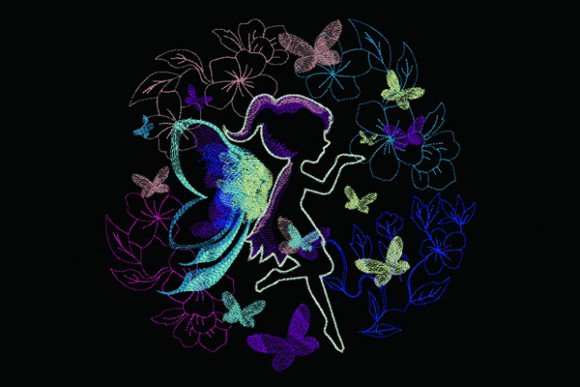
The moment I loaded the digital embroidery file into my software, the charm of Fairy and Butterfly was evident. It sits comfortably within the Fairy Tales category, evoking a sense of whimsy without becoming overly childish. The design feels elegant and gorgeous, striking a balance that appeals to a wide demographic. For craft fair sellers, this versatility is crucial. You are not just selling to children; you are selling to adults who appreciate nostalgia, soft aesthetics, and high-quality handmade details.
The composition suggests a flow that works well on various fabric textures. It does not appear overly dense, which is a significant advantage for production speed. When evaluating a new design, I always look for clarity. Does the silhouette read well from a distance? In this case, the interplay between the fairy figure and the butterfly creates a focal point that draws attention without overwhelming the viewer. This makes it an excellent candidate for small shop product lines where brand consistency and visual appeal are paramount.
Strategic Product Placement for Maximum Sales
To maximize revenue, you must place the right design on the right item. Based on the description that this design looks gorgeous on any fabric, I tested its potential across several popular craft fair staples.
- Tote Bag Design: This is perhaps the strongest application. A medium-sized hoop placement on a canvas tote allows the details to shine. Customers love functional art, and a fairy motif adds a premium touch to a basic bag.
- Apron Embroidery: Positioning the design on the bib or lower corner of a linen apron creates a charming, cottage-core aesthetic. It elevates a simple kitchen item into a giftable handmade product.
- Tea Towel Embroidery: While delicate, this design can work on flour sack towels if the stitch density is managed correctly. It adds a decorative element that appeals to buyers looking for unique home decor.
- Embroidered Patch: If the design scales down well, it could serve as a standalone patch. However, care must be taken to ensure tiny details do not get lost in the stitching process.
For Etsy sellers and digital sellers, creating a printable mockup of Fairy and Butterfly on these items is essential. High-quality images drive clicks, and showing the design in context helps customers visualize the finished product in their homes.
Production Practicality and Batch Efficiency
Time is money in commercial embroidery. The description notes that Fairy and Butterfly is easy to stitch, which is a promising sign for batch production. However, "easy" is subjective. As a professional, I advise checking the stitch density before running a full production run. If the design uses too many satin stitches in small areas, it may cause puckering on lighter fabrics like cotton or linen.
When preparing for a weekend craft fair, you need reliability. A design that breaks needles or requires excessive trimming slows down your workflow. I recommend stitching a test sample on scrap fabric first. Pay close attention to how the thread colors interact. Since this is a fairy-themed design, subtle shifts in pastel threads can make or break the look. Ensure your thread contrast is high enough so the fairy does not blend into the background fabric.
Handling Fabric and Stabilizer Challenges
One of the most critical aspects of using a new embroidery file is understanding how it behaves on different materials. Fairy and Butterfly may perform differently on a structured canvas tote versus a textured terry cloth towel. On thick fabric, you might need a stronger cut-away stabilizer to prevent distortion. On curved surfaces like caps, the design might require adjustment to avoid wrapping around the seam.
If you plan to use this on dark fabric, consider using an underlay stitch or a light-colored backing to ensure the vibrancy of the thread colors remains intact. Dark backgrounds can swallow up fine details, so inspect the stitch path carefully. If the design relies on tiny lettering or intricate wing patterns, verify that these elements remain clear at smaller sizes. Clarity is key to perceived quality.
Boosting Brand Value and Customer Engagement
In a crowded marketplace, your booth display strength depends on the cohesion of your products. Fairy and Butterfly offers a narrative element that can help build a brand story. By using this design across multiple items—such as pillow covers, market bags, and small pouches—you create a themed collection. This encourages buyers to purchase multiple items, increasing your average order value.
For creative entrepreneurs, this design assets package can also be used to create digital content. Share behind-the-scenes videos of the stitching process on social media. Show the transition from the digital embroidery file to the tangible finished product. This transparency builds trust and highlights the handmade quality of your work.
Essential Pre-Production Checklist
Before committing to a large inventory, follow these practical embroidery designer notes:
- Test on Scrap Fabric: Always run a test stitch-out on the exact material you intend to sell.
- Check Hoop Size: Confirm that the design fits comfortably within your standard hoop size without hitting the edges.
- Review Spacing: Ensure there is adequate space between elements to prevent thread bunching.
- Inspect Stitch Density: Look for areas that are too dense, which could cause stiffness or fabric damage.
- Use the Right Stabilizer: Match your stabilizer choice to the fabric weight and texture.
- Create a Real Mockup: Photograph the stitched item in natural light to assess true color accuracy.
- Confirm Commercial Licensing: Since the description mentions it comes with multi, verify the specific license terms. Ensure you have the rights to sell finished products made with this design, especially if you are an Etsy seller or boutique maker.
Note that specific technical details such as exact stitch count, file format compatibility, or precise hoop dimensions are not provided in the brief description. Therefore, it is vital to check these details in the full product listing before production. Knowing whether the file is compatible with your specific machine brand is non-negotiable for smooth operations.
Final Verdict for Craft Fair Sellers
Fairy and Butterfly stands out as a versatile and appealing choice for handmade market products. Its elegance and ease of stitching make it suitable for both novice and experienced embroiderers. By focusing on high-visibility items like tote bags and aprons, and by paying careful attention to stabilizer and thread choices, you can turn this design into a profitable segment of your inventory. Remember, the success of a craft fair product lies not just in the design itself, but in how well it is executed and presented. With proper testing and strategic placement, this fairy tale-inspired embroidery can indeed become a staple in your small shop product line.