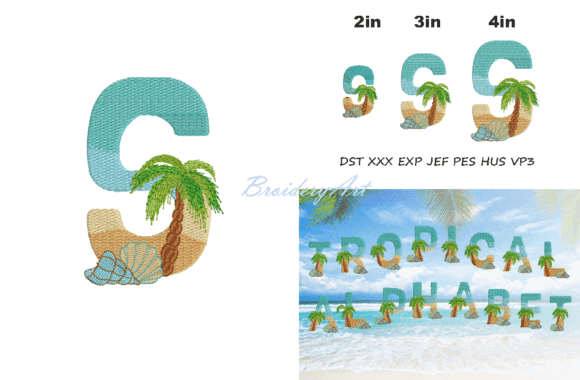
Tropical Font S: A Designer’s Review for Craft Fairs
As an embroidery designer who has spent countless weekends standing behind booth tables, I have learned that not every design translates from the screen to the sales floor. When I first loaded Tropical Font S into my digitizing software, I was looking for more than just aesthetics. I was looking for a craft fair product that could stop a passerby in their tracks. This review breaks down how this specific letter design performs in the real world of handmade sales, focusing on practical application, visual impact, and production efficiency.
First Impressions and Visual Mood
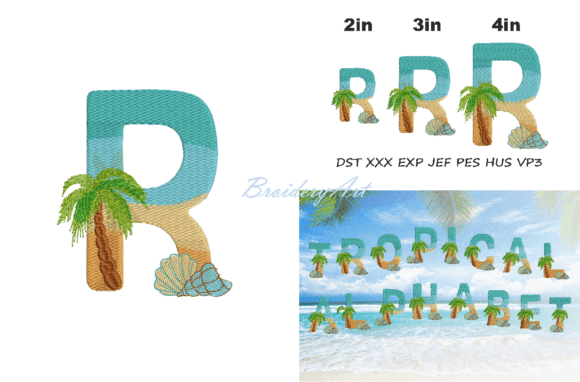
The title alone suggests a vibe that is currently dominating the Beach and summer accessory markets. Tropical Font S is not your standard serif or block letter. It carries an organic, flowing energy that feels both bold and playful. In a market saturated with farmhouse rustic and minimal modern styles, this design offers a refreshing burst of personality. It feels exclusive, exactly as the description promises, making it ideal for sellers who want to differentiate their handmade product lineup.
When evaluating the design for a booth display, the immediate question is clarity. Does it read well from three feet away? Based on its tropical styling, this font likely utilizes thicker strokes and perhaps leaf-like embellishments. This makes it highly visible, which is crucial for attracting attention in a crowded aisle. It does not whisper; it speaks. For an Etsy seller or boutique maker, this means the design works hard to sell itself without needing excessive signage.
Product Applications That Sell
To maximize return on investment, you must pair the right design with the right substrate. Here is where Tropical Font S shines as a versatile machine embroidery design:
- Tote Bag Design: This is arguably the strongest application. A large, centered "S" on a canvas tote creates an instant monogram gift. Customers love personalization, and the tropical theme adds a vacation-ready appeal that sells year-round.
- Apron Embroidery: Placing the letter on the bib or lower corner of a kitchen apron turns a utility item into a decorative piece. The bold nature of the font stands out against solid cotton fabrics.
- Tea Towel Embroidery: While popular, towels require caution. The texture of terry cloth can swallow small details. However, if the design maintains sufficient stitch density and size, it adds a premium touch to a simple small shop product.
- Embroidered Patch: Creating iron-on patches allows you to sell the design as a standalone accessory. This is excellent for customers who want to customize their own jackets or bags later.
Beyond these, consider caps and fabric pouches. The curved surface of a cap can distort text, so ensure the design is tested for curvature. For pouches, a smaller version of the letter can serve as a subtle brand marker or initial.
Production Practicality for Batch Selling
When preparing for a craft fair, time is money. You need designs that are repeatable and reliable. Tropical Font S appears to be designed for impact, but we must consider the technical side. The description notes it comes with multiple options, which is vital for adjusting to different hoop size constraints. Always check the specific file details provided with your purchase to confirm which sizes are included.
For batch production, consistency is key. If the design has very dense areas, it may pull lightweight fabrics. This is where your choice of stabilizer becomes critical. For tote bags and aprons, a medium-weight cut-away stabilizer often provides the best support, ensuring the letter remains crisp after washing. For textured items like towels, a water-soluble topping might be necessary to prevent stitches from sinking into the pile.
Photography is another major factor. A design that looks good in person must also look good online. Tropical Font S, with its likely organic shapes, photographs well because it creates interesting shadows and texture. When creating your printable mockup or digital listings, ensure you use high-contrast thread colors. A bright teal or coral thread on a white background will pop in thumbnail images, driving clicks for your digital embroidery file or finished goods.
Careful-Use Notes and Technical Considerations
While the design is strong, no embroidery file is universal. Here are specific scenarios where you should exercise caution:
- Dense Stitch Areas: Tropical fonts often have thick, filled sections. If stitching on dark fabric, ensure your underlay is sufficient to prevent the base fabric from showing through gaps.
- Small Lettering: If you scale the design down too much for small pouches or tags, intricate details may merge. Always stitch a test sample at the smallest intended size.
- Curved Surfaces: On caps, the distortion can make the letter look uneven. Hoop firmly and consider using a cap frame for stability.
- Fabric Texture: Avoid using this design on highly textured linen unless you use a topping. The clean lines of the font may get lost in the weave.
It is essential to remember that while the description states this is an original design for decorating clothes and accessories, it does not specify exact stitch counts or license terms. Always verify the commercial licensing before selling commercial embroidery products. Some licenses allow unlimited physical sales, while others may have restrictions on digital redistribution.
Enhancing Brand and Buyer Engagement
Using Tropical Font S consistently across your product line can strengthen your brand identity. If your shop focuses on summer, beach, or vibrant aesthetics, this font becomes a visual anchor. Customers begin to recognize the style, associating it with quality and fun. This consistency builds trust and encourages repeat buyers.
In a booth setting, display items that show the versatility of the letter. Hang a tote, lay out an apron, and stack some patches. Show the same design on different colors to demonstrate how thread colors change the mood. A navy blue thread gives a preppy look, while a bright yellow feels energetic. This helps buyers visualize the product in their own lives, increasing engagement and sales.
Final Designer Recommendations
Before you commit to a full production run, follow these steps:
- Test on Scrap Fabric: Never skip this step. Check for puckering and thread breaks.
- Check Thread Contrast: Ensure the thread color stands out against the fabric color.
- Review Spacing: If using multiple letters, ensure the spacing is balanced.
- Confirm Hoop Size: Match the design size to your machine’s capabilities.
- Inspect Stitch Density: Adjust if necessary to suit your specific fabric type.
- Create a Real Mockup: Photograph the actual stitched item, not just a digital render.
- Compare Fabric Colors: See how the design looks on white, black, and colored fabrics.
- Verify Licensing: Confirm you have the rights to sell finished products made with this design assets package.
Tropical Font S is a powerful tool for any embroidery entrepreneur looking to add vibrancy to their collection. By understanding its strengths and limitations, you can create high-quality, desirable products that stand out in any market. Whether you are selling the finished product or the digital embroidery file itself, this design offers the exclusivity and visual appeal needed to succeed in today’s competitive handmade marketplace.