Review: Ocean Cross Stitch Pattern PDF for Merch
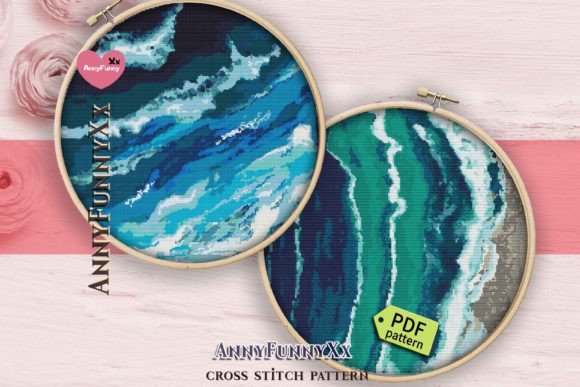
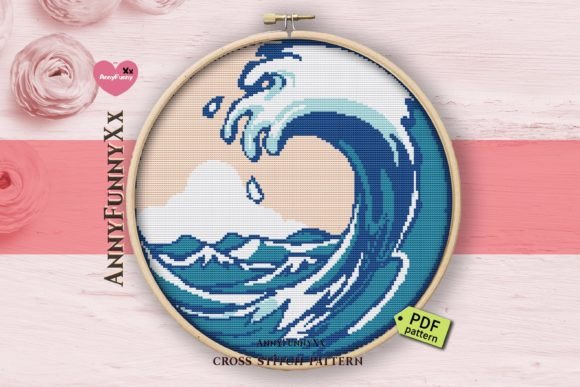
As an embroidery designer who has spent years helping small businesses translate their brand identity into thread, I approach every new design with a critical eye. It is not just about whether a pattern looks pretty on a screen; it is about how it performs on fabric, how it holds up in the wash, and how it elevates the perceived value of a finished product. Recently, I reviewed the Ocean Cross Stitch Pattern PDF, a digital asset marketed as a blue waves Xstitch and nature needlepoint embroidery design. While the listing describes it as handmade DIY nautical decor for baby boys or sea home decor, my focus was strictly on its viability for commercial use.
For Etsy sellers, boutique owners, and creative studios looking to expand their small business merch, this graphic offers a distinct aesthetic. However, translating a counted cross stitch pattern into a professional embroidered patch or apparel accent requires careful consideration. Here is my breakdown of how this design functions in a real-world business context.
Visual Personality and First Impressions
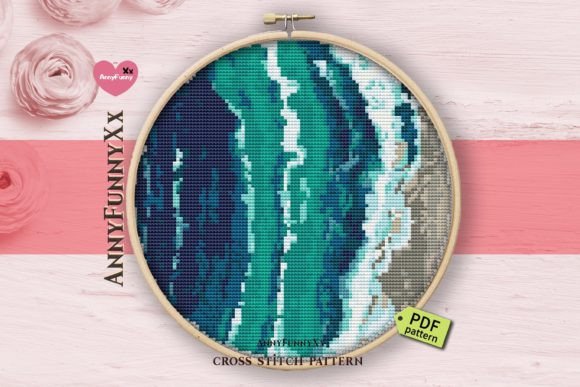
The first thing that strikes you about the Ocean Cross Stitch Pattern PDF is its inherent charm. The description highlights "blue waves" and "nature," suggesting a palette that is calming, organic, and universally appealing. Visually, the design feels rustic yet refined. It does not scream corporate rigidity; instead, it offers a handmade, artisanal vibe that is currently in high demand among consumers who value authenticity.
For a bakery, florist, or coastal café, this aesthetic aligns perfectly with a brand identity that wants to appear approachable and warm. The pixelated nature of cross stitch translates into a textured, tactile look when embroidered. This is crucial for brand identity because it differentiates your merchandise from the flat, mass-produced prints flooding the market. It signals to the customer that care and craftsmanship went into the item.
Commercial Applications for Small Businesses
When evaluating Graphics like this for commercial embroidery, I look for versatility. The Ocean Cross Stitch Pattern PDF is surprisingly adaptable if handled correctly. Here is where it shines in a business setting:
- Embroidered Patches: This is perhaps the strongest use case. A wave motif works beautifully as an iron-on or sew-on patch for denim jackets, canvas tote bags, or laptop sleeves. The blocky nature of cross stitch mimics the look of traditional woven patches but with a softer, more modern feel.
- Apron Embroidery: For craft workshops, pottery studios, or bakeries, adding this wave design to the corner of a linen apron adds a touch of professionalism without being overpowering. It serves as a subtle badge of quality.
- Tote Bag Design: Canvas totes are a staple for eco-friendly brands. The high contrast of blue waves against natural beige canvas creates a striking visual that is both functional and fashionable.
- Customer Gifts: Small businesses often send thank-you notes or small gifts. Embroidering this design on a small handkerchief or pouch can turn a simple transaction into a memorable brand experience.
It is important to note that while the product is listed under Cross Stitch Patterns, using it for machine embroidery requires digitizing or careful manual adaptation. If you are using it as a reference for hand-embroidered items, it serves as an excellent design asset for creating unique, one-of-a-kind pieces that command higher price points.
Technical Considerations and Limitations
While the aesthetic is strong, we must address the technical realities of embroidery. Cross stitch patterns are grid-based, which can present challenges when converted to free-motion or standard machine embroidery. Here are the areas where you need to exercise caution:
Stitch Density and Fabric Texture: Cross stitch relies on a grid. If you attempt to embroider this directly onto a smooth, lightweight fabric without proper stabilization, the result may look distorted. You must check the stitch density carefully. If the design is too dense, it can cause puckering, especially on curved surfaces like cap fronts. Always test on a scrap piece of the exact fabric you intend to use.
Size Constraints: This design may lose its clarity if scaled down too far. Intricate details in the waves might merge into a blob of thread if the hoop size is too small. For cap embroidery, ensure the design width fits within the standard 2.5 to 3-inch limit for front panels. If the original PDF does not specify vector scalability, assume it is fixed resolution and plan accordingly.
Thread Colors and Contrast: The "blue waves" description suggests a monochromatic or limited palette. On dark uniforms, such as navy chef coats or black staff shirts, you will need to adjust the thread colors to ensure visibility. A light blue on navy might disappear. Consider using white or silver threads for the highlights to maintain the design's integrity on darker backgrounds.
Enhancing Brand Trust and Value
Why go through the trouble of using a specific pattern like the Ocean Cross Stitch Pattern PDF? Because consistency builds trust. When customers see the same high-quality, thoughtful design on your packaging, your staff uniforms, and your social media printable mockups, it reinforces your brand’s professionalism.
A well-executed embroidered item suggests longevity. Unlike printed ink which fades, embroidery lasts. By associating your brand with durable, tactile goods, you subconsciously tell your customers that your products are also built to last. This is particularly effective for businesses selling handmade goods, where the story of creation is part of the product.
Practical Designer Notes for Implementation
Before you commit to a large production run of custom apparel or merchandise using this design, follow these steps:
- Test in Black and White: Print the pattern in grayscale first. If the design loses its shape without color, it lacks sufficient contrast and may not embroider well.
- Check Licensing: The product description mentions it is available for instant download, but it does not explicitly state commercial licensing terms. You must confirm whether the digital embroidery file or pattern allows for commercial use before selling items made with it.
- Use Proper Stabilizer: For best results, use a cut-away stabilizer for stretchy fabrics and a tear-away for stable wovens. This ensures the wave shapes remain crisp.
- Create a Mockup: Before stitching, create a digital or physical mockup. Place the design beside your other design assets to ensure visual consistency across your brand.
- Verify File Details: Since the listing does not provide exact stitch counts or hoop sizes, assume you will need to digitize the image yourself or hire a digitizer if you are using an embroidery machine. Do not guess the dimensions.
In conclusion, the Ocean Cross Stitch Pattern PDF is a versatile and charming asset for small business owners willing to put in the technical legwork. It bridges the gap between traditional craft and modern branding. Whether used for a subtle sleeve detail, a bold chest logo, or a decorative patch, it offers a unique way to communicate your brand’s values. Just remember to respect the technical limits of the medium, verify your commercial rights, and always prioritize quality control. When done right, this nautical motif can become a recognizable symbol of your business’s commitment to quality and creativity.