Ocean Cross Stitch Pattern PDF Review
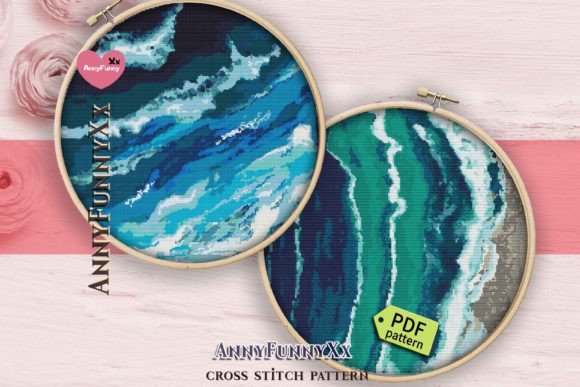
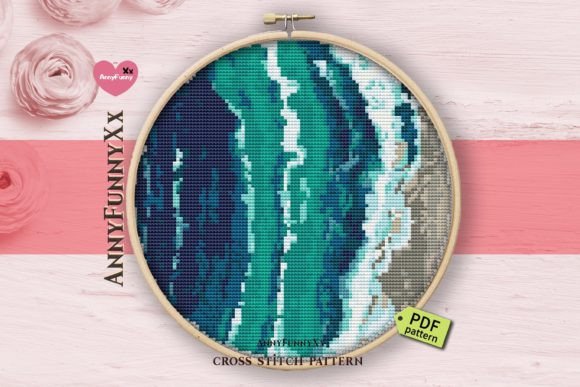
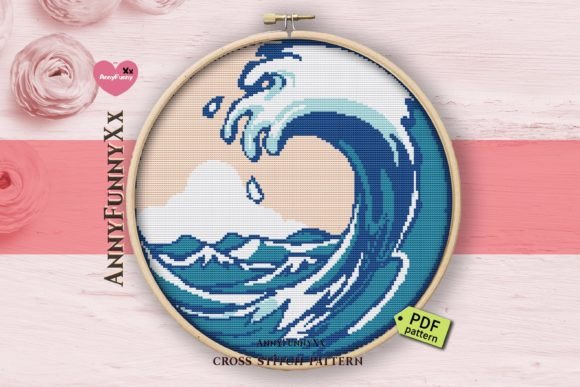
As an embroidery designer who has spent countless weekends behind a craft fair table, I have learned that not every design translates well from screen to fabric. When I first encountered the Ocean Cross Stitch Pattern PDF, Blue Wa, my immediate instinct was to evaluate its commercial viability. This is not just about aesthetics; it is about whether a design can withstand the scrutiny of a busy marketplace and convert browsers into buyers. The product description highlights it as a "Blue waves Xstitch" and a "Nature needlepoint embroidery design," which immediately suggests a calming, organic aesthetic that performs exceptionally well in the handmade sector.
First Impressions and Market Fit
The initial vibe of this pattern feels both modern and timeless. The mention of "Blue waves" implies a fluid, rhythmic motif that likely avoids the rigid geometry of traditional samplers. For craft fair sellers, this is crucial. Customers at weekend markets are often looking for items that feel personal yet polished. A nature-inspired design like this bridges the gap between rustic charm and contemporary minimalism. It does not scream for attention with loud colors or complex lettering; instead, it invites closer inspection. This subtlety is a strength for boutique makers who want their work to appear premium rather than mass-produced.
When considering this as a craft fair product, I look for designs that are instantly recognizable. Ocean themes are universally understood. Whether you are selling in a coastal town or an inland city, the imagery of water evokes relaxation and escape. This emotional connection is what drives impulse buys at handmade markets. The design likely serves as a strong focal point without overwhelming the base material, making it versatile for various applications.
Product Application and Versatility
The true test of any embroidery file or pattern is its adaptability. I envision the Ocean Cross Stitch Pattern PDF, Blue Wa performing beautifully across several key categories. For tote bag design, this pattern could be centered on a natural canvas tote, creating a striking contrast against the neutral background. The blue tones would pop, making the bag an eye-catching accessory for shoppers.
For apron embroidery, the wave motif could be placed on the bib or the lower pocket area. Aprons are high-visibility items in a booth display, and a well-executed ocean theme adds a touch of whimsy to kitchenware. Similarly, tea towel embroidery benefits from simple, linear designs. If the pattern features flowing lines, it will stitch out cleanly on linen or cotton towels, adding value to a basic household item.
I also see potential for embroidered patch production. Patches are low-commitment purchases for customers who love your brand but might not want a large item. A small, dense version of this wave design could work well on denim jackets or backpacks. However, one must be cautious with scale. If the original pattern is large, it may need simplification for smaller patches to maintain clarity.
Production Practicalities for Sellers
From a production standpoint, batch consistency is key. Since this is a Cross Stitch Patterns product available as a PDF, it requires manual stitching or careful adaptation if used as a reference for machine work. For those using it as a hand-stitching guide, the counted nature ensures precision. However, for Etsy seller accounts looking to scale, understanding the time investment is vital. Hand-stitching complex waves can be time-consuming. I recommend testing the design on scrap fabric to gauge the hours required per unit.
If you are adapting this for machine use, pay close attention to stitch density. Wave patterns can sometimes have long runs of satin stitches or dense fill areas that may cause puckering on lightweight fabrics. Using the right stabilizer is non-negotiable here. A cut-away stabilizer might be best for stretchy fabrics like t-shirts, while a tear-away could suffice for stable cottons used in pillow covers.
Another critical factor is thread colors. The description mentions "Blue waves," but the specific shade matters. Navy blue reads as classic and nautical, while teal or aqua feels more tropical and modern. I advise creating at least one real mockup with different thread weights to see which offers the best visual impact. High-contrast threads against dark fabric can lose detail, so consider using lighter blues on navy linens or vice versa.
Visual Appeal and Branding
In a crowded booth, your finished product needs to stand out. The Ocean Cross Stitch Pattern PDF, Blue Wa offers a cohesive look that can tie together a collection. Imagine a display with matching tote bags, pillow covers, and wall hangings all featuring variations of this wave motif. This consistency builds brand recognition. Customers begin to associate that specific blue wave with your shop.
Photography plays a huge role in online sales. This design likely photographs well because of its clean lines and natural color palette. When creating printable mockup assets for your Etsy listings, ensure the lighting highlights the texture of the stitches. Close-up shots that show the individual cross stitches can emphasize the handmade quality, justifying a higher price point. A blurry photo of a blue blob will not sell; a crisp image showing the craftsmanship will.
Designer Notes and Careful Use
Before committing to a large production run, there are several technical checks to perform. First, verify the hoop size requirements if you are framing the pieces. Ensure the design fits comfortably within standard hoop sizes like 6x6 or 8x8 inches without crowding the edges. Second, check the complexity of the corners and curves. Sharp turns in wave patterns can be tricky in cross stitch if the grid is too fine. If the pattern includes tiny details, they may get lost on textured fabrics like waffle-weave towels.
Also, consider the fabric texture. Smooth cotton or linen allows for precise stitching, while rougher burlap or heavy canvas might distort the grid. Test on your intended material first. If you are selling commercial embroidery products, ensure you have the correct license. The description states it is for instant download, but always confirm if commercial use of the finished physical items is permitted. Most designers allow selling finished goods, but reselling the digital file itself is usually prohibited.
Finally, think about the customer experience. If you are selling the PDF itself as a digital embroidery file or pattern, ensure the instructions are clear. For physical goods, the quality of the stitch reflects directly on your brand. A sloppy wave looks like a mistake; a crisp wave looks like art. Take the time to master the tension and spacing.
Conclusion
The Ocean Cross Stitch Pattern PDF, Blue Wa is a strong contender for any handmade business focused on nature-inspired decor and accessories. Its versatility across tote bags, aprons, and home goods makes it a valuable asset in your design library. By paying attention to production details like stabilizer choice, thread contrast, and fabric texture, you can transform this digital graphic into a best-selling small shop product. Remember, the goal is not just to stitch a pattern, but to create an item that resonates with the buyer’s desire for beauty and calm. With careful execution, this ocean motif can become a signature element of your brand.