Giraffe with Letter Safari: A Designer’s Review
As an embroidery designer who has spent years digitizing and reviewing files for commercial use, I approach every new machine embroidery design with a critical eye. It is not enough for a design to look cute on a screen; it must perform flawlessly under the needle when applied to real-world products. Today, I am reviewing Giraffe with Letter Safari, a piece from the Wild Animals category that promises versatility across various fabric types. For small business owners, this review focuses on how this design translates from a digital embroidery file into tangible brand assets.
First Impressions and Visual Personality
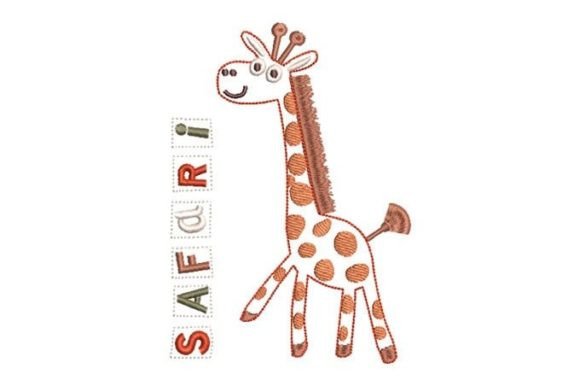
The immediate appeal of Giraffe with Letter Safari lies in its balance between whimsy and clarity. The inclusion of the word "Safari" alongside the giraffe motif suggests a theme that is both playful and identifiable. In the context of brand identity, this design does not scream luxury minimalism, nor does it feel overly rustic. Instead, it occupies a sweet spot of friendly professionalism. It feels approachable, making it an excellent candidate for businesses that want to project warmth and creativity.
For handmade brands and Etsy sellers, the visual personality of this design is a significant asset. It avoids the sterile look of corporate logos while maintaining enough structure to be legible. When I visualize this as part of a broader collection of design assets, it fits seamlessly into themes related to nature, travel, children’s products, or eco-friendly initiatives. The combination of animal imagery with typography often requires careful digitizing to ensure the text does not get lost, and based on the description, this design aims to maintain that crucial readability.
Real-World Applications for Small Business Merch
The true test of any digital embroidery file is its adaptability. Giraffe with Letter Safari is described as suitable for any type of fabric, which opens up numerous avenues for small business merch. Here is how I envision this design performing in specific commercial scenarios:
- Embroidered Patches: This is perhaps the strongest use case. An embroidered patch featuring this design can be ironed or sewn onto denim jackets, canvas bags, or hats. Patches allow for high stitch density without worrying about fabric puckering, making the details of the giraffe and the lettering stand out sharply.
- Apron Embroidery: For bakeries, florists, or craft studios, branding staff uniforms is essential. Placing this design on the chest pocket of an apron adds a touch of personality. It transforms a standard uniform into a conversation starter, enhancing customer engagement.
- Cap Embroidery: Caps are a staple of promotional merchandise. However, the curved surface of a cap front requires a design with a manageable width. If the "Safari" text is too wide, it may distort. Assuming the proportions are balanced, this could work well as a side-panel detail or a centered front logo for a boutique brand.
- Tote Bag Design: Canvas tote bags are popular for retail packaging and customer gifts. The sturdy texture of canvas handles machine embroidery well. This design could serve as a central focal point, adding value to a simple bag and turning it into a reusable marketing tool.
For apparel decorators and custom apparel creators, this design offers flexibility. It can be scaled down for a subtle sleeve detail on a t-shirt or enlarged for a back print on a hoodie. The key is ensuring that the scale matches the garment’s purpose. A large, bold version works for casual wear, while a smaller, refined version suits more professional settings like a creative studio’s polo shirts.
Technical Considerations and Production Notes
While the aesthetic appeal is clear, production success depends on technical execution. As a designer, I advise caution in several areas when using Giraffe with Letter Safari.
First, consider stitch density. Animal designs often require varying densities to create texture in the fur or features of the giraffe. If the density is too high on lightweight fabric, it can cause puckering or tearing. Always test the design on a scrap piece of the actual fabric you intend to use. If you are working with textured fabric, such as terry cloth or heavy denim, you may need to adjust pull compensation or use a stronger stabilizer.
Second, pay attention to the lettering. Small text in embroidery can easily become illegible if the stitches merge. Check the spacing between the letters in "Safari" at your intended size. If you are creating a tiny patch, the text might need to be simplified or removed entirely to maintain clarity. A printable mockup is invaluable here; create a digital representation of the design at actual size to verify legibility before hooping.
Third, thread color contrast is vital. The giraffe’s natural colors are warm yellows and browns. If you are embroidering on dark uniforms, ensure you have sufficient contrast. You might need to add a satin stitch border or change the thread colors to lighter shades to make the design pop against black or navy backgrounds. Always confirm your hoop size compatibility. Since the description mentions multiple formats, ensure you select the version that fits your machine’s maximum hoop capacity without unnecessary resizing, which can distort stitch angles.
Enhancing Brand Identity and Customer Trust
Using a cohesive design like Giraffe with Letter Safari across your product line strengthens brand identity. Consistency builds trust. When customers see the same high-quality embroidery on your aprons, packaging, and merchandise, they perceive your business as professional and established. This is particularly important for handmade product sellers who compete on quality and presentation.
Furthermore, this design adds perceived value to the finished product. A plain tote bag becomes a branded accessory. A standard cap becomes a collectible item. For event merch or customer gifts, this added touch of customization shows attention to detail, fostering loyalty and encouraging social media sharing. In the world of commercial embroidery, the difference between a generic item and a branded one is often just one well-executed design.
Final Verdict and Practical Advice
Before committing to a full production run, I recommend a rigorous testing phase. Start by stitching the design in black and white thread on a neutral fabric. This removes the distraction of color and allows you to focus on the structural integrity of the stitches and the clarity of the text. Check for thread breaks, jumps, or loose ends.
Also, verify the licensing terms. The description notes it comes with multiple formats, but always confirm that you have the right to use the digital embroidery file for commercial purposes. Most designers allow this, but it is crucial to read the specific license included with your purchase.
In summary, Giraffe with Letter Safari is a versatile and charming addition to any embroidery library. It is well-suited for small businesses looking to add a friendly, nature-inspired touch to their merchandise. By paying attention to fabric choice, stabilizer use, and scale, you can transform this digital asset into a powerful tool for brand recognition and customer engagement. Whether used for apron embroidery, patches, or tote bags, it has the potential to elevate your product offerings and distinguish your brand in a crowded market.