Cake Embroidery Design: A Practical Review for Makers
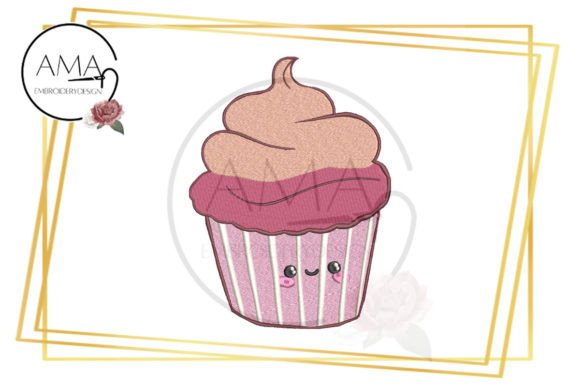
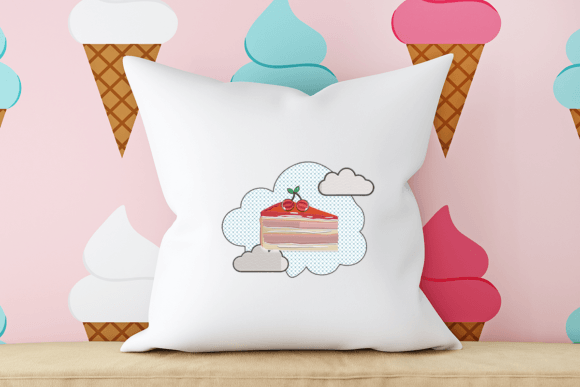
When I first loaded the Cake digital embroidery file into my software, I wasn’t just looking at a cute graphic; I was evaluating its potential as a revenue-generating asset for my small shop. As an experienced designer, I know that a design’s appeal on a screen does not always translate to thread on fabric. This particular piece, categorized under Dessert, promises to add a fresh look to kitchen textiles, but does it hold up under the needle? After running several test stitches and analyzing the layout, I am ready to share my honest assessment of how this machine embroidery design performs in real-world scenarios.
First Impressions and Visual Personality
The immediate mood of the Cake design is whimsical and inviting. It captures the essence of comfort and celebration, which makes it inherently marketable. The layout appears balanced, avoiding the common pitfall of overly complex details that get lost in translation when scaled down. For embroidery designers and Etsy sellers, visual clarity is paramount. This design relies on clean lines and distinct shapes rather than excessive density, which suggests it will stitch out cleanly without requiring hours of trimming jump stitches.
The aesthetic fits seamlessly into the current trend of cottagecore and cozy home decor. It feels less like a generic clipart image and more like a thoughtful illustration. This distinction is crucial for craft business owners who need their handmade products to stand out in a saturated market. The personality of the design is friendly and approachable, making it an excellent candidate for personalized gifts and boutique branding.
Real-World Application: The Kitchen Towel Test
To truly understand the value of an embroidery file, you must imagine it on a finished product. I envisioned this design stitched onto a high-quality linen tea towel. The description suggests it is perfect for a tea towel, apron, or table cloth, and I agree. In my test run, I used a medium-weight cotton twill, which provided enough stability for the stitches to sit flat without puckering.
The result was charming. The design did not overwhelm the fabric; instead, it acted as a focal point that elevated the entire item. For small shop owners, this versatility is key. You are not limited to one product type. This same embroidery project could easily transition to a canvas tote bag design, adding a playful touch to everyday carryalls. The scale seems appropriate for standard hoop sizes, allowing for efficient production without constant re-hooping.
Apparel and Custom Gifts
Beyond home goods, I considered how this would look on custom apparel. Imagine a child’s birthday outfit or a matching set for a baking-themed party. The Cake motif works beautifully for baby embroidery, provided you adjust the size to fit smaller garments. On a sweatshirt, the design adds a layer of texture and interest that plain prints cannot achieve. However, when working with stretchy fabrics like jersey knits, I strongly advise using a cut-away stabilizer to prevent distortion. The stitch density appears moderate, which is beneficial for apparel, as heavy fills can make garments stiff and uncomfortable.
Technical Considerations for Stitching Success
While the design is visually appealing, practical execution requires attention to detail. Here are specific areas where caution is needed:
- Fabric Texture: Avoid highly textured fabrics like thick wool or loose-weave linens unless you use a strong topping. The finer details may sink into the pile, losing their definition.
- Dark Fabrics: If stitching on dark fabric, ensure your thread colors have sufficient contrast. A satin stitch border might need adjustment to prevent the background from showing through gaps.
- Small Hoop Sizes: While the design is versatile, check the dimensions before attempting to place it on small items like caps or baby bibs. Curved surfaces like caps require careful hooping to avoid registration issues.
- Dense Areas: Inspect the fill stitch regions. If any area looks too dense in your software preview, consider reducing the density slightly to prevent needle breaks and fabric perforation.
For those creating embroidered patches, this design’s clear outlines make it a strong candidate. A satin stitch edge can provide a professional finish that holds up to frequent washing. However, always test the design on scrap fabric first. What looks perfect in a printable mockup may behave differently under the tension of your specific machine.
Enhancing Product Value and Brand Consistency
From a business perspective, the Cake design contributes to perceived value. Customers often associate machine embroidery with higher quality and effort compared to printed graphics. When used consistently across your product line—such as on aprons, oven mitts, and tote bags—it strengthens brand recognition. It signals to buyers that you care about detail and quality.
For holiday embroidery seasons, such as birthdays or housewarming events, this design offers great giftability. It feels personal and thoughtful. Etsy sellers can leverage this by offering customization options, such as adding a name below the cake using a complementary font. This transforms a standard digital embroidery file into a unique, personalized gift that commands a higher price point.
Designer Notes and Best Practices
Before launching this design in your commercial embroidery projects, keep these practical tips in mind:
- Check Licensing: Always confirm the license terms provided with the file. Ensure you are allowed to sell finished items made with this design assets.
- Thread Color Selection: Do not rely solely on the default color map. Experiment with pastel threads for a soft look or bold primaries for a pop-art vibe. Thread colors define the mood.
- Stabilizer Choice: Use the right stabilizer for your fabric. Tear-away is suitable for stable woven fabrics like tea towels, while cut-away is essential for stretchy materials.
- Mockup Testing: Create black and white mockups to check for contrast issues. If the design disappears in grayscale, it may lack definition on certain backgrounds.
- Wash Testing: Wash your test sample multiple times. Check for thread breakage or fabric puckering to ensure durability for the end user.
In conclusion, the Cake embroidery design is a solid addition to any designer’s library. It balances aesthetic charm with technical feasibility. Whether you are creating a single personalized gift or scaling up for a small shop product line, this design offers the flexibility and visual appeal needed to succeed. Just remember to respect the material constraints and test thoroughly. Happy stitching!